
Sarcoma & Brain Health AI
Evidence-based medical answers, with safety built in.
A pair of healthcare AI assistants built to educate and reassure - one focused on sarcoma patients and carers, the other on brain health. Both lean on retrieval-augmented generation over curated, clinician-approved content, so answers arrive with citations rather than guesses. Urgent symptoms are detected and routed to emergency help, and a clinician dashboard keeps humans in the loop.
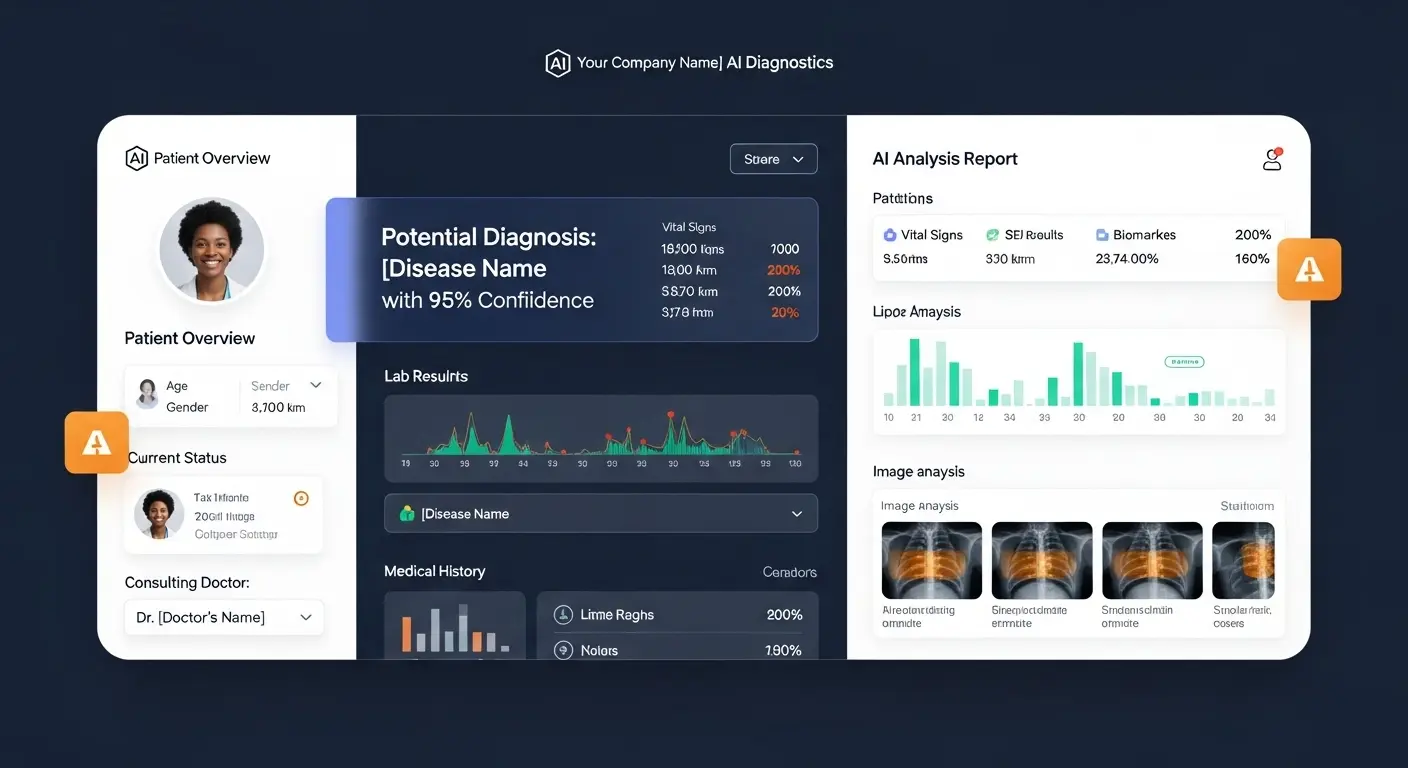
What These Assistants Do
Helpful, grounded health information - with citations and a clear line to emergency care.
Source-Grounded Answers
Retrieval-augmented generation matches each question to curated, human-reviewed medical content before the model ever responds.
Citations on Everything
Every answer links back to approved sources and is colour-coded by type, so readers can instantly see where the information came from.
Emergency Detection
Urgent symptoms are recognized and routed to local emergency numbers and care information instead of a chatbot reply.
Voice Input
Patients can simply speak their questions; speech is transcribed in the chat with graceful fallbacks when a mic isn't available.
Clinician Dashboard
Usage analytics, top questions, and conversation review with role-based access keep qualified humans in the loop.
Fast, Cached Retrieval
Pre-built embeddings load at startup for sub-second, low-cost semantic search that keeps responses quick and grounded.
The Challenge
When people are facing a serious diagnosis, they search for answers online and too often land on contradictory, anxiety-inducing, or simply wrong information. A general-purpose chatbot is risky here - it can sound confident while being inaccurate, and it has no instinct for when a question is actually an emergency.
Our Approach
We designed both assistants to be grounded and safety-first. Answers are retrieved from a curated library of clinician-approved sources and returned with citations, a confidence threshold keeps the model from improvising, and an emergency layer recognizes urgent language and points people straight to real help. A clinician dashboard lets qualified staff review conversations and keep the content sharp.
The Outcome
Patients and carers get clear, calm, source-backed information they can trust - by typing or speaking - and urgent situations are flagged rather than answered. It's a model for responsible medical AI: useful and approachable for people, transparent and reviewable for the clinicians who stand behind it.
Technologies Used
A retrieval-augmented backend paired with a modern, accessible patient-facing experience.
These assistants are designed for patient education and do not provide medical diagnosis or replace professional care. In an emergency, contact local emergency services.
Frequently Asked Questions About This Project
Common questions about the Sarcoma & Brain Health AI patient education assistants
Building Responsible AI for Healthcare?
Let's talk about grounded, cited, safety-first AI that patients and clinicians can both trust.